
fiction-books-for-regular-readers
Fiction Books for Regular Readers Who Want Something That Actually Happened
There is a particular kind of book that fiction tries to replicate but rarely matches, the one where the story is so dense with incident, so specific in its detail, so honest about what life actually costs, that no novelist would dare invent it for fear of being called unrealistic.
Another Feg is that book
Jim Green was born in Ferguslie Park, Paisley, in December 1950. By the time he finished writing his memoir, he had been shot at twice, attacked by two separate gangs, declared bankrupt, worked offshore in the North Sea, moved to a farm in Denmark to rebuild his life from scratch, walked the corridors of Westminster, attended the Queen’s Garden Parties and come within touching distance of a fatal heart attack.
None of it is invented. All of it is rendered with the kind of granular, unhurried detail that only someone who lived it can produce, the smell of coal dross on a winter morning, the weight of a hod on a building site, the exact shops on Falcon Crescent where his mother’s weekly shopping list was divided across four different counters.

Readers who pick up Another Feg looking for the immersion that good fiction provides will find it here. They will also find something fiction cannot offer: the knowledge that every word of it is true.
Why Engaging Novels for Book Lovers Often Begin in Unexpected Places
The best opening scenes do not announce themselves. They simply drop you somewhere specific and trust you to follow.
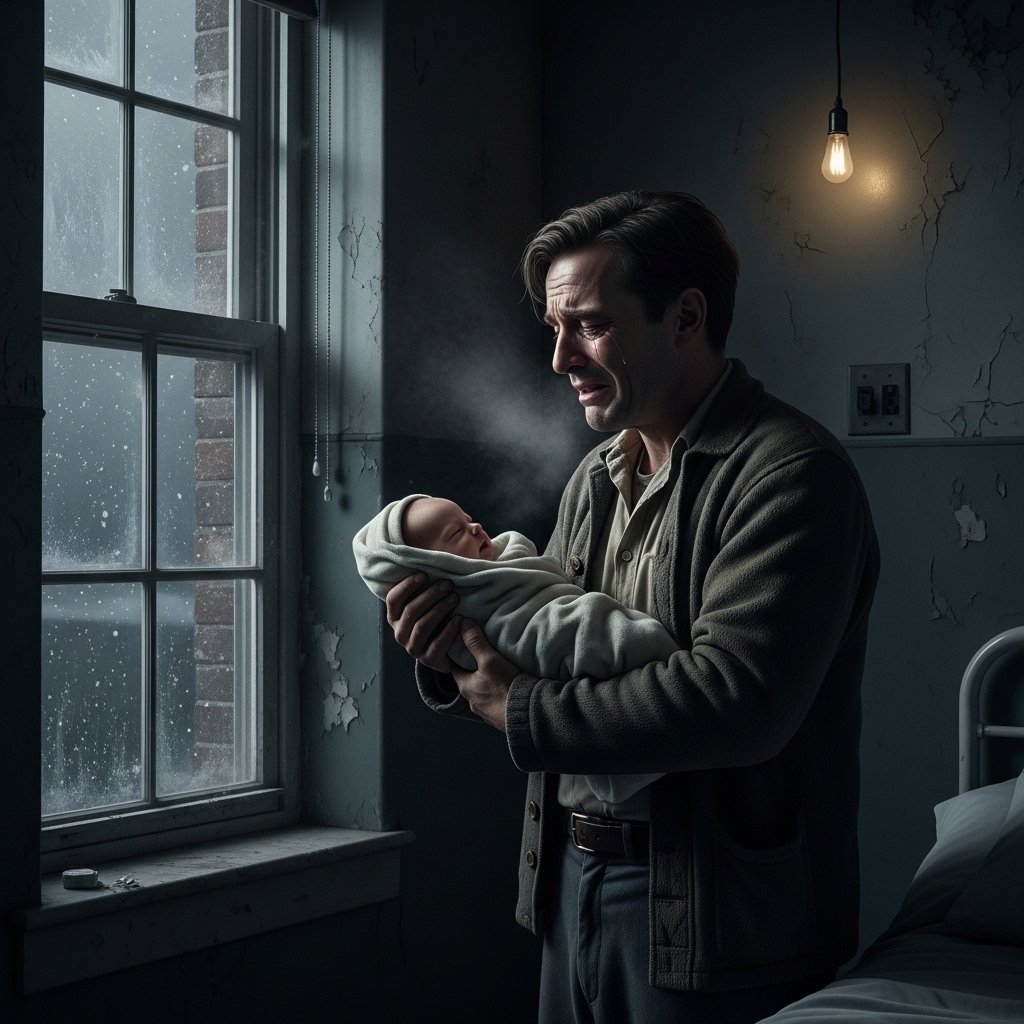
Another Feg opens in December 1950 on a building site on the outskirts of Paisley. A foreman with a white moustache and a greasy skip bonnet shouts across the site to tell Jimmy Green his wife has gone into hospital. Jimmy puts down the mortar mix, pulls his brown beret tight over his black curly hair and walks, then runs, through the frozen streets to Barshaw Maternity Hospital.
He is shown to his wife Ellen. He grabs her face with both cement-stained hands and kisses her. She tells him off. He lifts his newborn son from the cot, carries him to the bay window and holds him up toward the indigo December sky.
Look God, this is ma wean. Look efter him aw his life fur me.
That is the first scene of Jim Green’s memoir. It runs for four pages and contains more life than most novels manage in forty. Readers who love fiction for the way it puts them inside a moment will know, by the end of that scene, exactly what kind of book they are holding.
What Makes Another Feg Different From Other Memoirs
Most memoirs are written from a position of arrival. The author has reached somewhere, recovered, succeeded, survived, and looks back from safety at the difficulty that preceded it.
Another Feg does not work that way. Jim Green began writing it in 2004 in his fifties, while attending a creative writing course at the University of Glasgow. He returned to it across twenty years, adding chapters as his life continued to accumulate incident. The final sections were written in late 2024, after a near-fatal heart attack persuaded him to finish what he had started.
The result is a memoir with no comfortable distance between the writer and the material. The bankruptcy is not yet fully recovered from when it is written. The offshore emergencies are still close. The near-death experiences are described with the matter-of-fact directness of someone who has not had time to process them into lessons.
What Jim Green offers readers is not a shaped narrative with a redemption arc neatly in place. It is something more honest than that, a life recorded as it happened, in real time, across decades, by someone who never stopped moving long enough to step back from it.

For book lovers who read widely and recognise the difference between a story told and a story lived, that distinction matters.
The Scotland Inside Another Feg
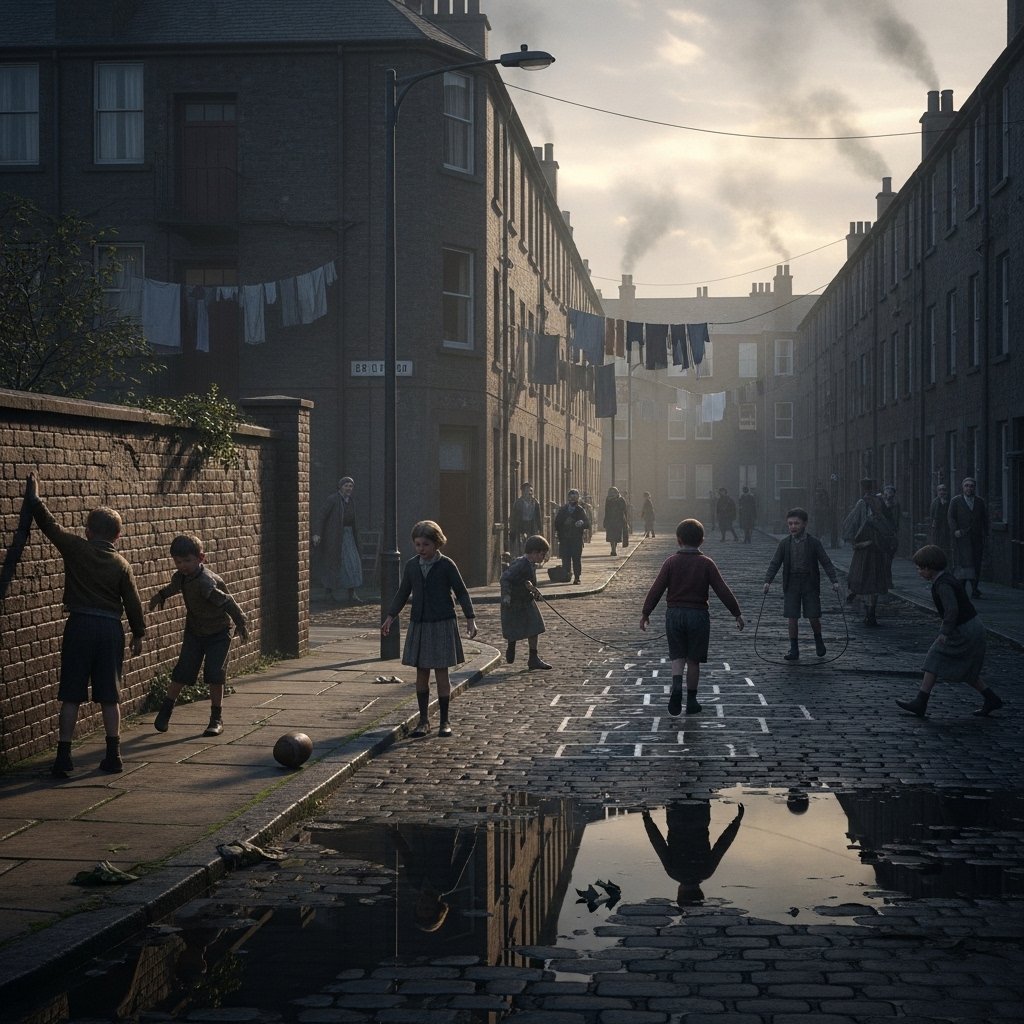
The Scotland in Another Feg is not the one that appears on shortbread tins. It is post-war Paisley in the grip of a housing crisis, where Jim’s parents moved between a damp attic room, a model lodging house beside a rat-infested river and, eventually, a three-bedroom council flat on Ferguslie Park Avenue.
It is a Scotland of coal fires backed up with old shoes and dross when the coal ran out. Of smog so thick Jim’s mother wrapped a scarf around his face to filter it, and the scarf came home black with soot. Of school milk with a creamy top, of Brook Bond tea cards used by Uncle Sammy to teach two boys every country, capital and currency in the world. Of a father who supplemented his building labourer’s wage with debt collecting for an illegal bookies, and an Uncle Sammy who was one of the most feared men in Paisley and did not mind demonstrating why.
It is also a Scotland of extraordinary community, of Grannie Isa stitching her grandson into a pigskin vest with butcher’s twine to clear a chest infection, of neighbours who were refugees from the Clydebank Blitz, of a coalman thumping up four flights of stairs with a hundredweight on his back
Jim Green writes all of this without nostalgia and without grievance. He simply puts the reader there and lets them see it.
The Chapters That Read Like the Best Fiction
There are scenes in Another Feg that a novelist would be proud to have written.
The night Uncle Sammy pulls a fence post from a garden and covers the ground between Grannie Isa’s house and Killoch Avenue without slowing down. What follows, the thrown bin, the broken window, the sounds Jim covers his ears against, is written with the restraint of someone who was there as a child and still carries the memory precisely.
The shopping list chapter, where eight-year-old Jim is dispatched across four different shops on Falcon Crescent with instructions that include, without explanation, a brown paper parcel from McMenemie’s General Store that he would not understand for years.
The scene on the tram on the night of Jim’s birth, told from his father’s perspective, where Jimmy Green swings around the chrome pole singing to the conductress, kisses her on the cheek and announces his fatherhood to every passenger on the top deck. She lets him off the fare. He jumps off before the tram stops and runs the half mile to his mother’s house.
These are not reconstructed scenes dressed up with literary technique. They are memories written down by someone who understood, from his time at the University of Glasgow writing course, that the specific detail is always the point. That the indigo sky and the snowflake floating between the chestnut trees matter more than any summary of events ever could.

Who Another Feg Is For
If you read fiction because you want to be put somewhere completely different from where you are, this book will do that. Ferguslie Park in 1954 is as foreign and as vivid as any invented world.
If you read memoirs because you want the truth of a life rather than a constructed version of one, this is the book. Jim Green does not manage his image across these pages. He records what happened, the fights, the failures, the bankruptcy, the years it took to climb back, with the same directness he brings to the good years.
If you are drawn to Scottish writing, to the particular texture of working-class central Scotland in the second half of the twentieth century, you will not find it rendered more honestly than this.
If you have ever read a biography of someone powerful or famous and found yourself more interested in where they started than where they ended up, Another Feg is entirely about where Jim Green started, and why that starting point shaped everything that followed.
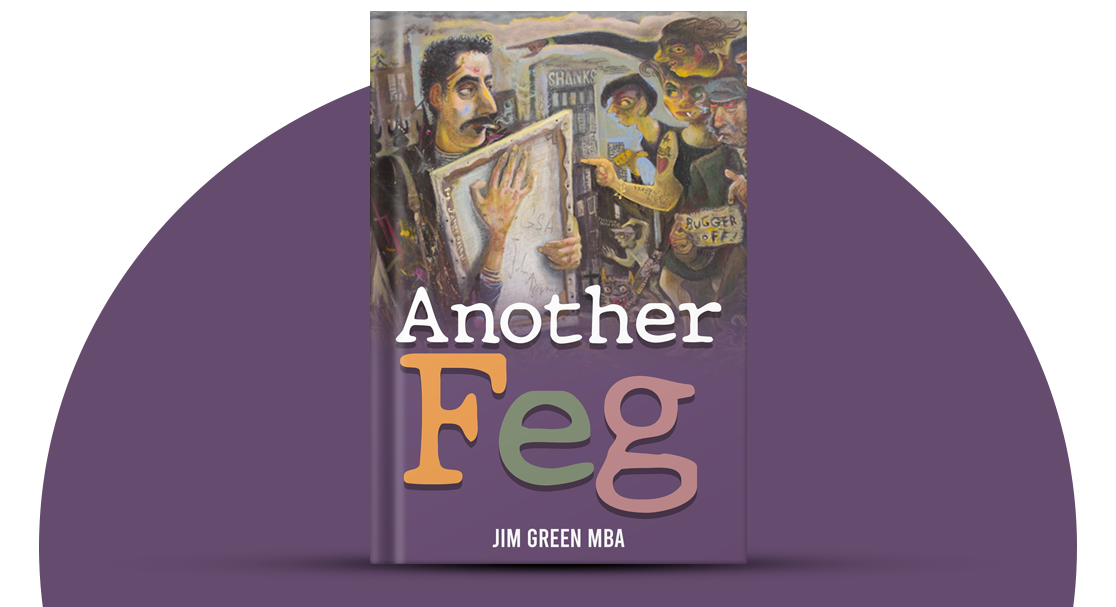
The cover was drawn by John Byrne. He is also a Feg. That detail alone tells you what kind of book this is.

Buy Now on Amazon
From Feegie to Everywhere Else. Every Step of It True.
Jim Green was written off before he started. Ferguslie Park had that effect on people’s expectations. He spent the next seven decades proving those expectations wrong, through bankruptcy and the North Sea, through Westminster and Denmark, through a heart attack that nearly ended the story before he could finish writing it.
Another Feg is available now on Amazon. A memoir for readers who want a life story that does not flinch, written by a man who never did either.
Pick it up. Start on page one. You will not need warming up.
"FAQS"
1. Is Another Feg a novel or a memoir?
Another Feg is a memoir, a first-person account of Jim Green’s life from his birth in Paisley in December 1950 through to 2024. It reads with the pace and texture of fiction because Jim writes from specific memory rather than general recollection, but every person, place and event in it is real. Names have been changed in some cases, and Jim acknowledges that narrative licence has been applied to improve the account.
2. Do I need to know anything about Ferguslie Park or Paisley to enjoy it?
No. Jim provides everything the reader needs through the writing itself. The community, the geography, the social conditions and the dialect all emerge naturally through the scenes rather than through explanation. Readers with no connection to Scotland or to the west of Scotland working-class experience of that era will find their way in immediately.
3. How long did Jim Green spend writing this book?
Jim began Another Feg in 2004 while attending a creative writing course at the University of Glasgow under the tutor Fiona Parrot. He worked on it across twenty years, completing the final draft in early 2025 after a near-fatal heart attack in December 2024 persuaded him to finish it without further delay.
4. Who designed the cover?
The cover artwork was commissioned from John Byrne, the celebrated Scottish artist and playwright. Byrne, like Jim Green, grew up in Ferguslie Park. He is, in the language of Paisley, also a Feg.
5. Where can I buy Another Feg?
Another Feg by Jim Green is available on Amazon. Follow the link below to order your copy.
“My life has been eventful, challenging, frightening, sad, happy, adventurous and wonderful. I remain without fear and unvanquished.”
— Jim Green, January 2025