
new-fiction-books-for-readers
New Fiction Books for Readers Who Have Run Out of Stories Worth Their Time
The problem with finishing a good book is the one that comes after it. You pick something up, read twenty pages and put it back down because nothing is landing. The characters feel thin. The stakes feel managed. The whole thing feels like it was constructed rather than lived.
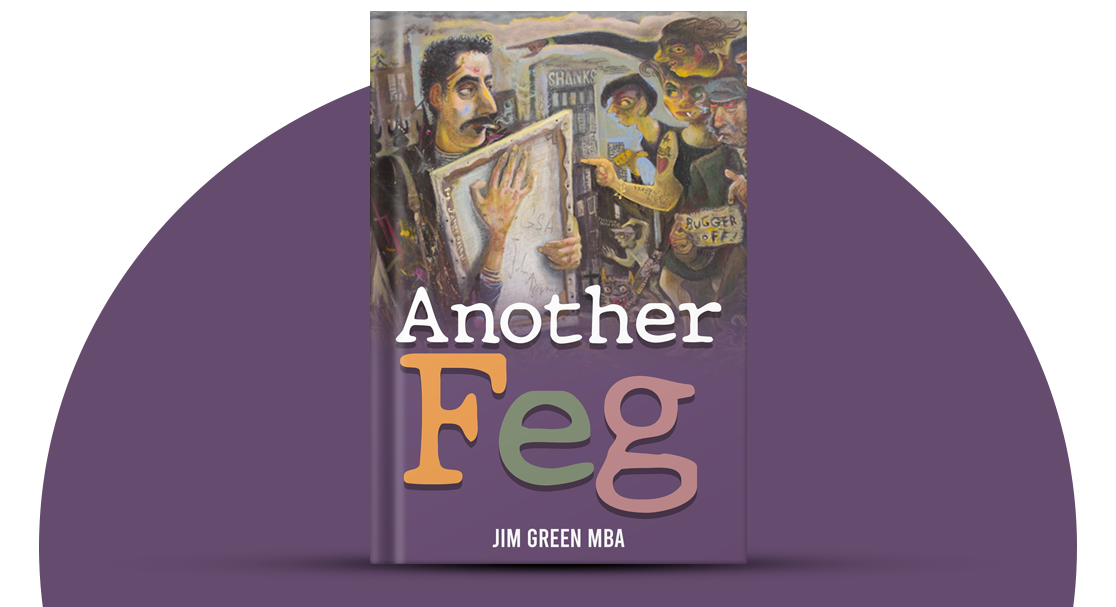
Another Feg solves that problem in a specific way. It is not a novel, but it reads like one that was written by someone who had no option but to get it right, because the material is his own life and the people in it are his family.
Jim Green grew up in Ferguslie Park in Paisley in the 1950s and 60s. His father was a builder’s labourer and ex-army boxer who supplemented his wage collecting debts for an illegal bookies. His mother scrubbed a room with almost no furniture in it and raised five children across a series of council flats that were too small, too cold and always full of people. Jim was the eldest. He went to the shops alone at seven, learned the capitals of the world from Brook Bond tea cards at eight and had already been to hospital twice for injuries by the time he was five.
That is just the first decade. The book covers seven.
Readers who want a story with real weight behind it, one that was not assembled from research or imagination but pulled directly from memory across twenty years of writing, will find it here.

The Story That Runs Through Another Feg
Every memoir has a spine, the single thread that holds the decades together when the events themselves scatter in every direction.
In Another Feg that thread is identity. Specifically, what it means to be a Feg, to come from Ferguslie Park, and to carry that with you into every room, every boardroom, every government corridor, every offshore platform you ever set foot on.
Jim Green never pretended to be from somewhere else. He attended university and lectured there. He built a business. He stood in No. 10 Downing Street and attended the Queen’s Garden Parties. He worked as a political coordinator for Jim Maxton, former Secretary of State for Scotland. He earned an MBA. And through all of it, Feegie was six miles away and never further than that in his thinking.
The book’s dedication makes this plain. Jim started writing in 2004 at a University of Glasgow creative writing course. He did not write to explain Ferguslie Park to outsiders or to process a difficult childhood into something manageable. He wrote because Feegie deserved to be recorded honestly, from 1950 to 1971, in the specific language of the people who lived there, before the people who remembered it were gone.
That decision, to write the place rather than just write about it, is what makes Another Feg the kind of story readers carry around after they have finished it.
The Characters Readers Will Not Forget
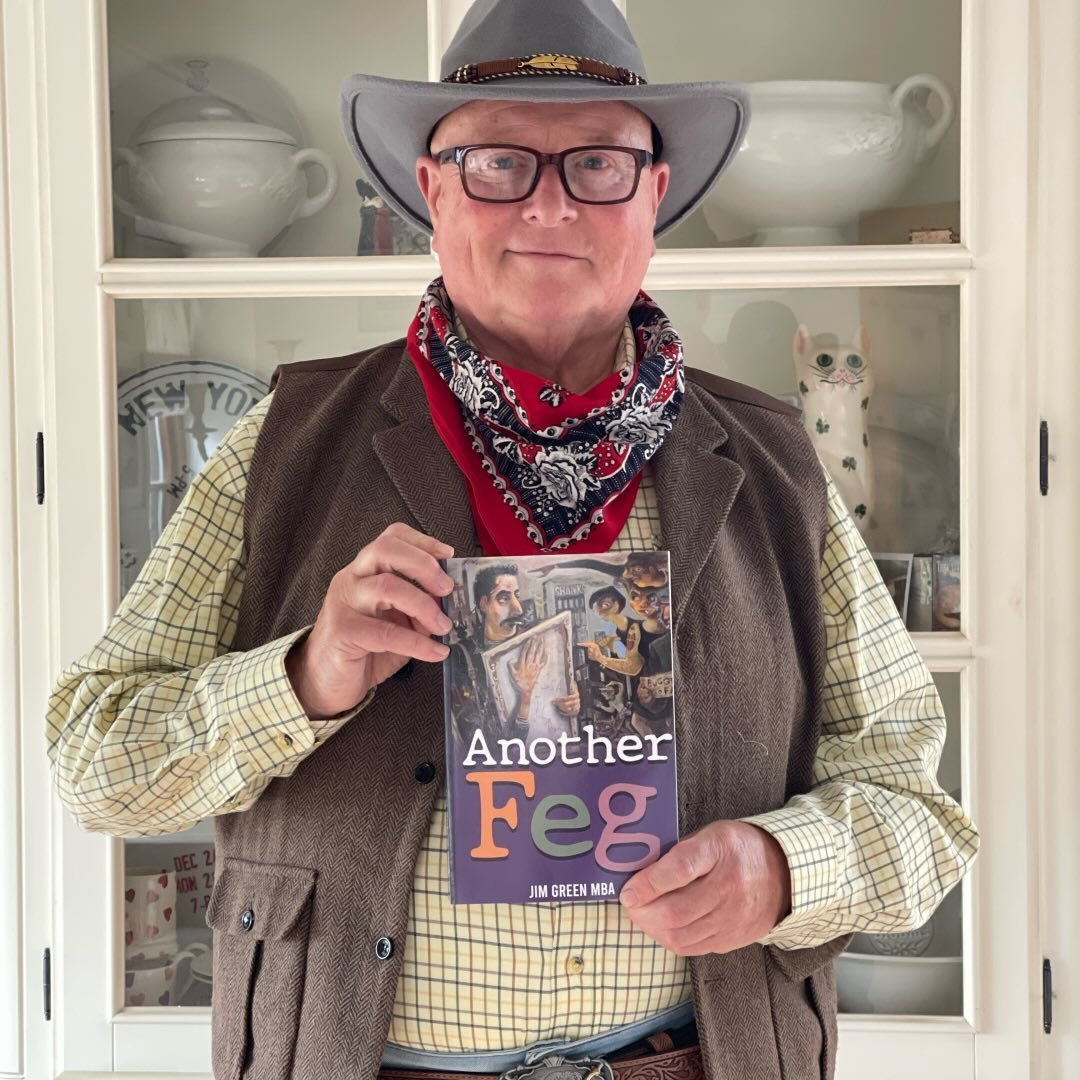
Jim Green’s father Jimmy is one of the best characters in recent Scottish memoir. An ex-Argyll and Sutherland Highlander, regimental boxing champion, builder’s labourer, debt collector and father of five, he is introduced running through a frozen Paisley night to reach the hospital where his son is being born and ends the scene on the top deck of a tram, swinging around a chrome pole and announcing his fatherhood to strangers. The conductress lets him off the fare. He kisses her on the cheek and jumps off before the tram stops.
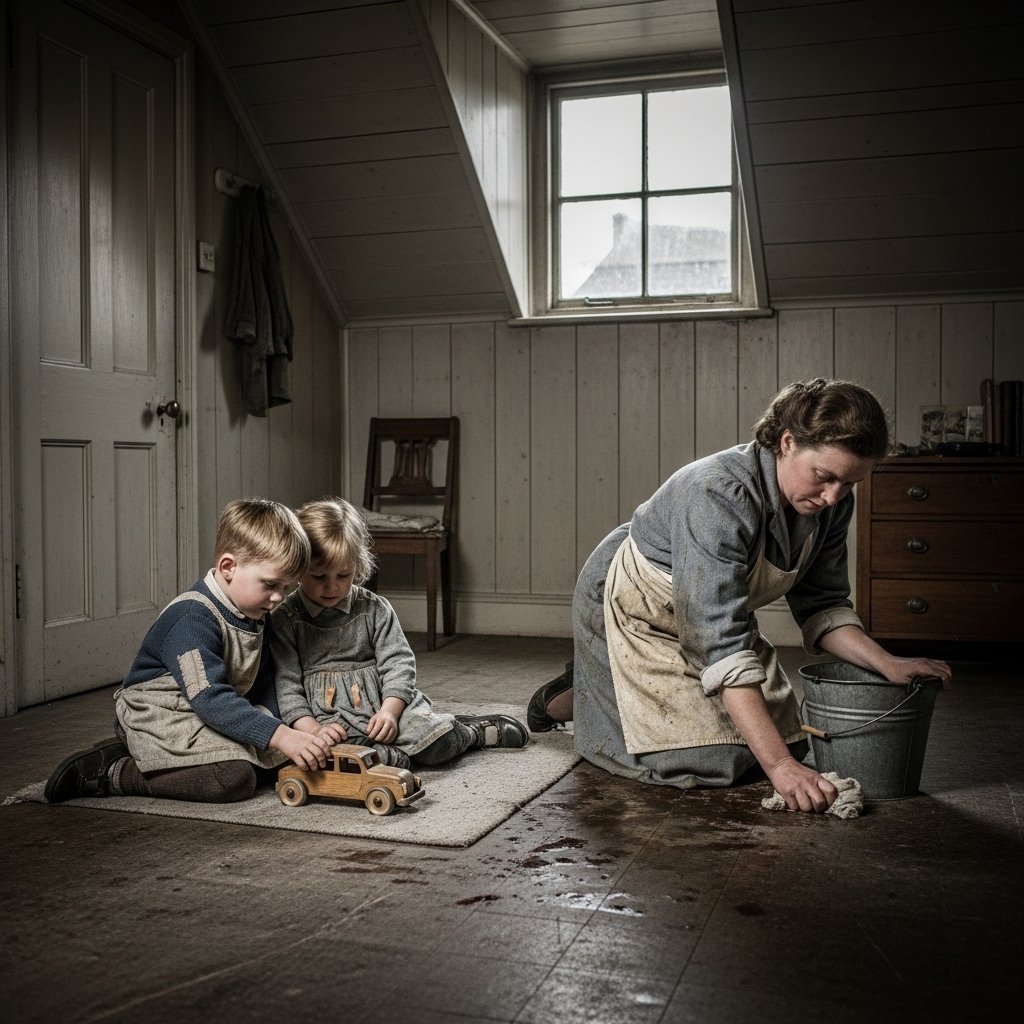
His mother Ellen is equally precise on the page. A young woman managing an attic room, then a model lodging house, then a series of small council flats with almost no money and a family that kept getting bigger. She breast-fed all five of her children, sent Jim to four different shops on Falcon Crescent with a handwritten list every week and somehow kept the frying pan clean despite the mice getting at the lard overnight.
Then there is Uncle Sammy. One of the most feared men in Paisley, described without romanticism. The scene where he pulls a fence post from a neighbour’s garden and covers the ground to Killoch Avenue without breaking stride is written so plainly that the violence arrives before the reader has prepared for it.
These are not characters built from research. They are people Jim Green grew up with, and he writes them the way you write people you know, from the specific detail outward, never from the general impression inward.
Stories Readers Will Enjoy Reading: What Another Feg Gets Right
A lot of working-class memoir gets one thing wrong. It treats the difficulty as the point, the poverty, the violence, the lack of opportunity, and forgets that the people living inside those conditions were not defined by them. They were just living. Getting on with it. Finding the funny bits where they could.
Jim Green does not make that mistake.
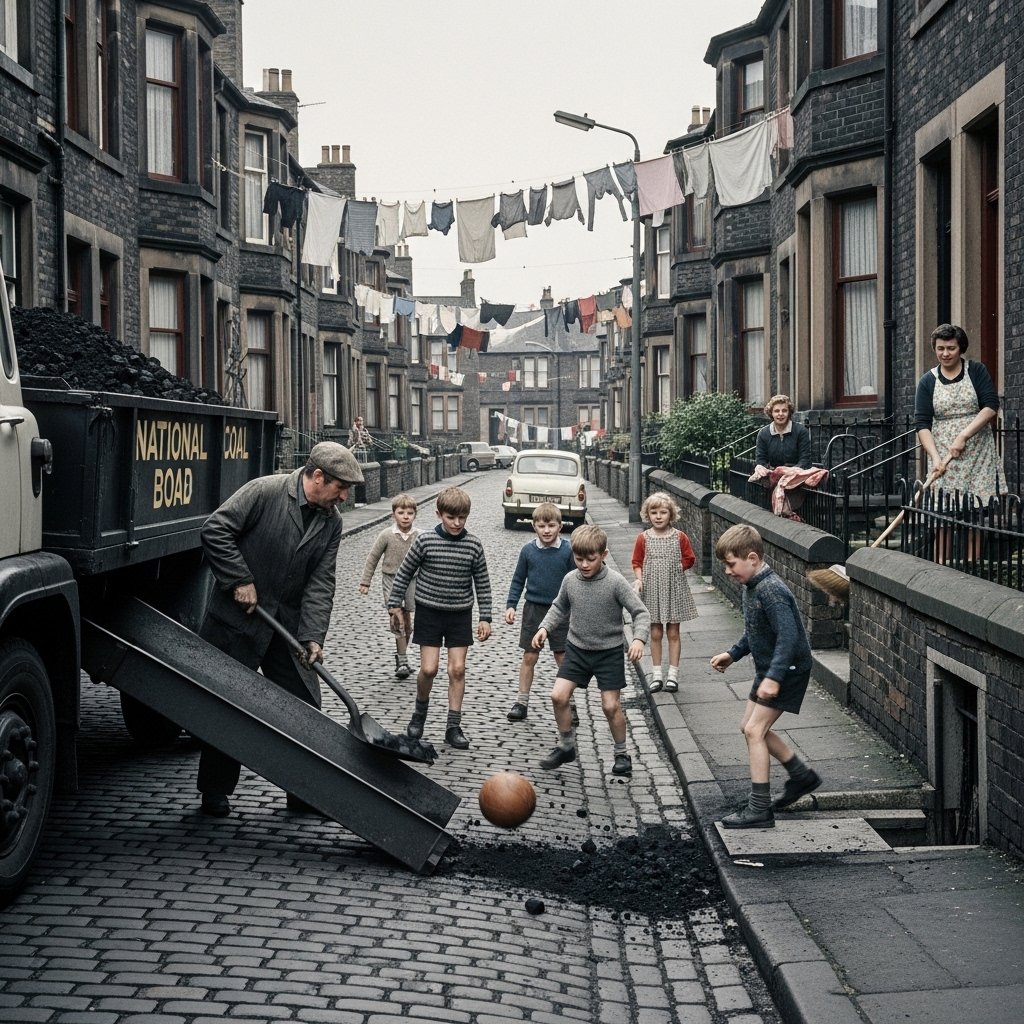
The shopping list chapter is three pages of a seven-year-old boy navigating four different shops in Falcon Crescent with a list that includes, from McMenemie’s General Store, a brown paper parcel he was handed without explanation and would not understand for years. It is quietly hilarious and completely unsentimental.
The scene where Jim, having lost a brother’s one-to-one attention to a newborn sister, hits the baby over the head with her own feeding bottle and tells his mother he did not do it, that is a scene any reader with siblings will recognise.
The way Uncle Sammy used Brook Bond tea cards as a two-boy classroom, until both Jim and his brother Charlie could identify every country in the world by its flag and recite its capital, currency and main exports, that is the kind of detail that makes a reader stop and sit with the page for a moment.
Another Feg is a hard life told by someone who found it interesting rather than just difficult. That distinction is everything.
Jim Green in His Own Words
The introduction to Another Feg is one paragraph that covers bankruptcy, the North Sea, Westminster, the Queen’s Garden Parties, a farm in Denmark, organised crime, two gang attacks and a near-fatal heart attack, and ends with this:
“The real success in my life is all family related where we all live and love in the country only a few miles from my real Alma Mater, Feegie.”
That is the whole book in miniature. All the distance travelled. All the ground covered. And at the end of it, six miles from where he started, with Elaine, the love of his life and his compass, and three children and ten grandchildren in a country house that would have been unimaginable to the boy running messages to Galbraith’s in Falcon Crescent.
Jim finished the manuscript in January 2025. He had a near-fatal heart attack in December 2024 and described himself, in the final pages, as being in sniper alley, tying up loose ends. Getting things done. The book was one of them.
He submitted it to Amazon. He gave copies to friends as Christmas stocking fillers. He remains, in his own words, without fear and unvanquished.
There is not a sentence in Another Feg that sounds like anyone other than Jim Green. That is the rarest thing a book can be.
Buy Now on Amazon
Seven Decades. One Feg. Not One Word Wasted.
Jim Green started writing Another Feg twenty years ago. He finished it because he nearly did not get the chance.
It covers a life that went from a damp attic room in Abercorn Street, Paisley, to the offices of Downing Street and back again, six miles from Feegie, where it all began.
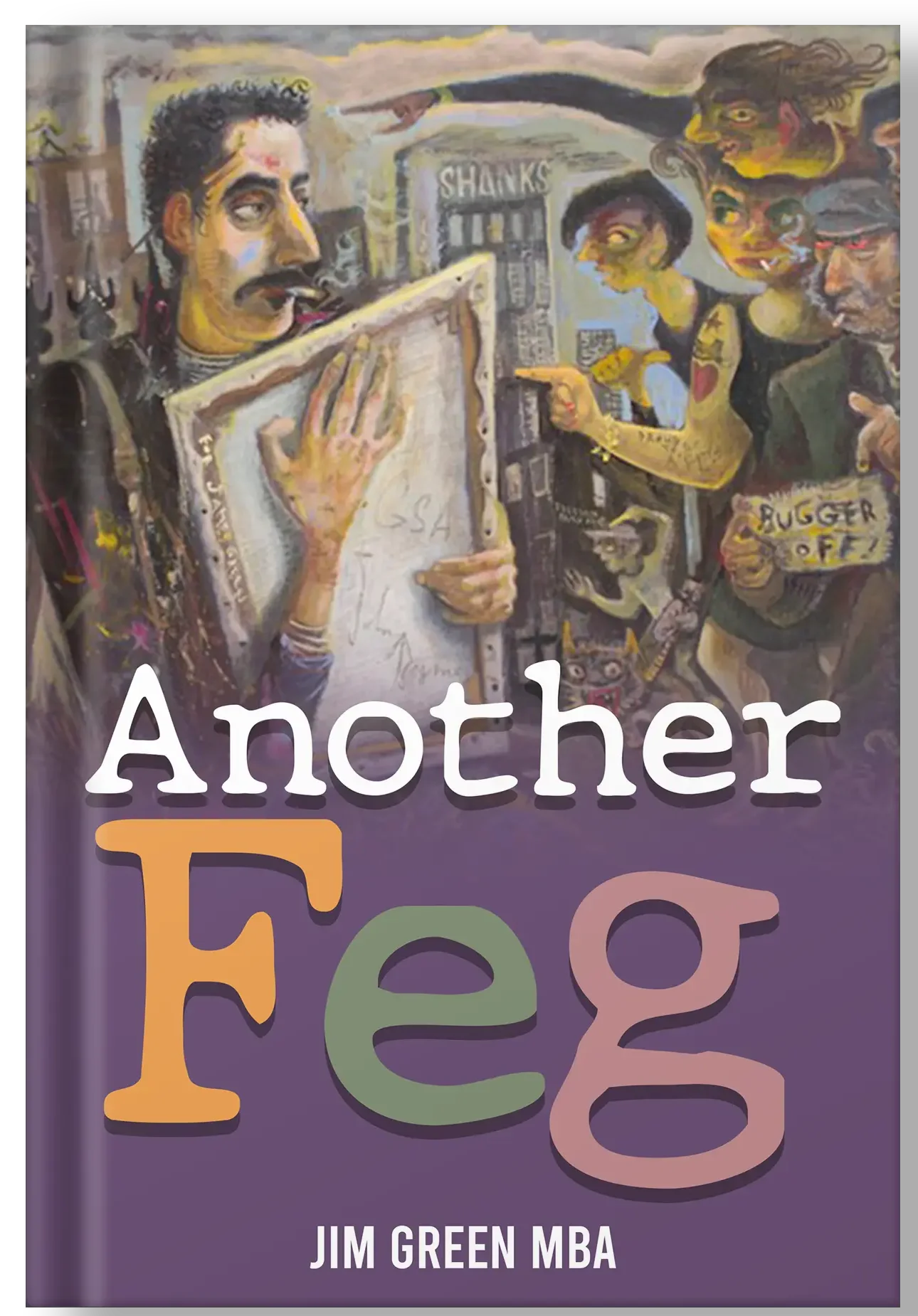
Another Feg by Jim Green is available now on Amazon. For readers who want a story that was actually lived.
FAQS
1. What are the best new fiction books to read this year?
Many readers are looking for fresh fiction books that offer gripping plots, emotional depth, and memorable characters. The best new releases often include a mix of contemporary novels, thrillers, romance, and fantasy stories that keep readers engaged from start to finish.
2. Why do readers enjoy modern fiction stories so much?
Modern fiction stories often reflect real-life emotions, relationships, and challenges, making them relatable. Readers enjoy how these books combine strong storytelling with imaginative ideas, creating an immersive reading experience.
3. Which fiction genres are most popular among readers today?
Popular fiction genres include mystery, romance, fantasy, science fiction, and psychological thrillers. Many readers also enjoy literary fiction that explores deeper themes and character development.
4. How can someone find new fiction books worth reading?
Readers often discover new fiction books through online recommendations, book reviews, bestseller lists, and social media reading communities. Exploring different genres can also help in finding enjoyable stories.
5. What makes a fiction book enjoyable for readers?
A good fiction book usually has an engaging storyline, well-developed characters, and a writing style that keeps readers interested. Unexpected twists, emotional moments, and a satisfying ending also play a key role in making a story enjoyable.
“My life has been eventful, challenging, frightening, sad, happy, adventurous and wonderful. I remain without fear and unvanquished.”

— Jim Green, January 2025